You reach for the coffee pot, and your fingers feel stiff and slow, as they have most mornings lately. You may shrug it off as one of those things that come with age. While food is not a cure, what you eat each day can influence how your body handles inflammation. This guide explains an anti-inflammatory diet for seniors, the best foods to add, and simple ways to start.
What Inflammation Is and Why It Matters With Age
Short-Term vs. Chronic Inflammation
Inflammation is the body’s natural response to injury or infection, and it is a healthy, protective process. Trouble begins when low-level inflammation lingers for months or years. This long-lasting type is linked to many age-related conditions, including heart disease, type 2 diabetes, and arthritis.
Joint Stiffness and Everyday Comfort
For many older adults, the most noticeable sign is joint stiffness, especially in the morning or after sitting for long periods. Many things can cause it, from arthritis to simple lack of movement, so it deserves a proper medical evaluation. Eating well will not replace treatment, but it can be a helpful part of a bigger plan.
How an Anti-Inflammatory Diet for Seniors Works
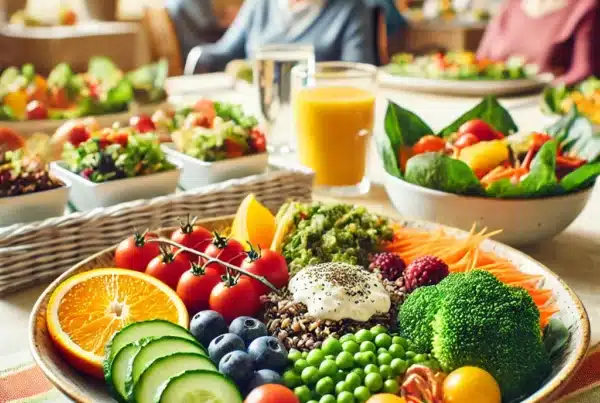
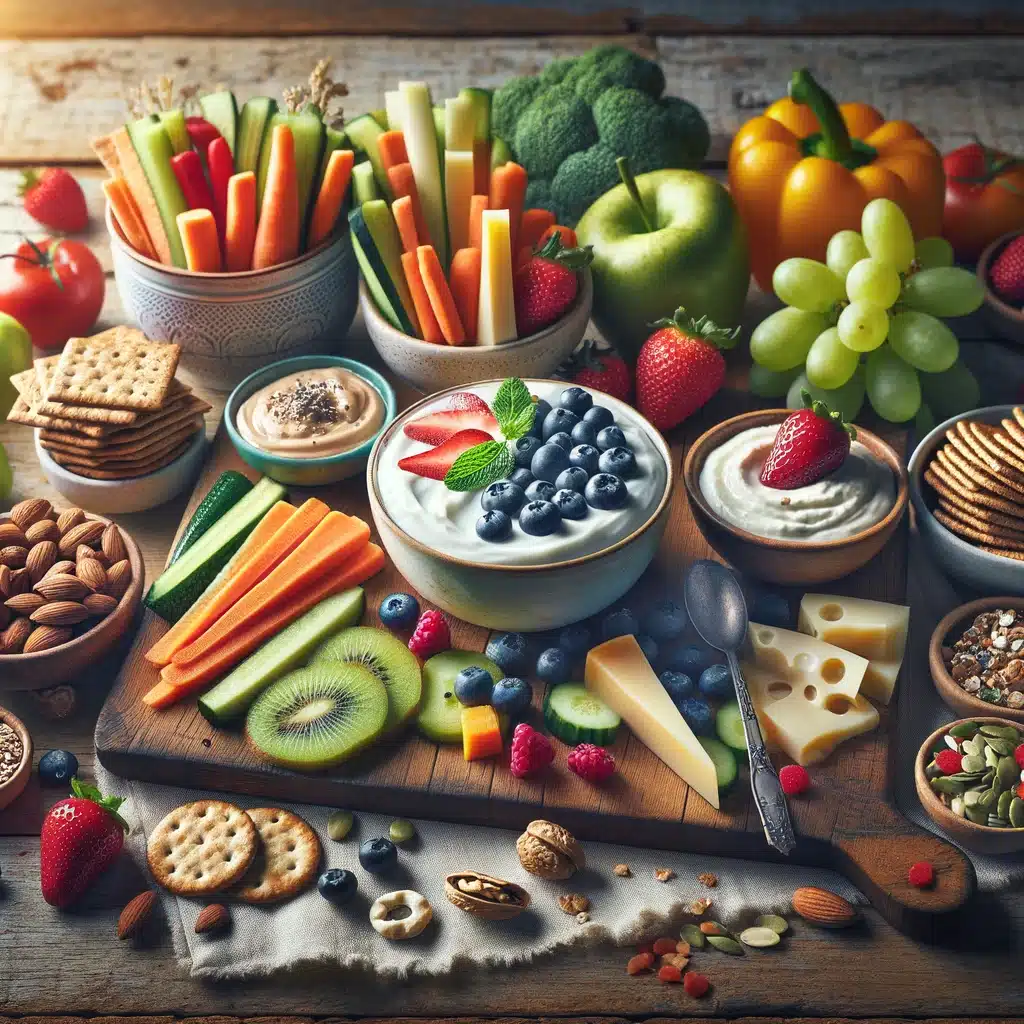
An anti-inflammatory eating pattern is less about strict rules and more about shifting the balance of what lands on the plate. It emphasizes whole, colorful, minimally processed foods that are rich in fiber, healthy fats, and protective plant compounds. It closely resembles the Mediterranean style of eating that researchers have studied for decades.
The core ideas are simple:
- Fill half the plate with vegetables and fruit
- Choose whole grains over refined white flour
- Favor healthy fats over saturated and fried fats
- Eat fish, beans, and nuts more often than processed meats
- Limit added sugar and heavily processed snacks
Berries: Colorful Fruit With Plant Compounds
Berries owe their deep colors to natural compounds called anthocyanins, which are studied for their antioxidant and anti-inflammatory properties. Research in older adults has linked regular intake with better heart and brain health markers. They are also naturally low in sugar compared with many other fruits.
Easy ways to enjoy them include:
- Stirring a handful into oatmeal or plain yogurt
- Blending frozen fruit into a smoothie
- Topping salads with fresh slices for sweetness
- Keeping a bowl of frozen options ready for dessert
Frozen fruit is just as nutritious as fresh and often easier to store.
Fatty Fish for Heart and Joint Support
Fatty fish like salmon, sardines, trout, and mackerel are rich in omega-3 fats, which are widely studied for their role in managing inflammation. Aiming for two servings a week is a common recommendation. Some research suggests omega-3s may ease morning stiffness for people with certain forms of arthritis.
Soft, flaky preparations like baked salmon are gentle for those with chewing difficulties. Canned sardines or salmon make quick, budget-friendly meals.
Olive Oil as a Daily Staple
Olive oil is the signature fat of Mediterranean cooking and a cornerstone of this eating pattern. Extra virgin varieties contain a compound called oleocanthal, which has been compared to the effects of mild anti-inflammatory medications in laboratory studies. It also supports heart health when it replaces butter or processed oils.
Simple ways to use more of it:
- Drizzle over cooked vegetables, soups, and beans
- Whisk with lemon juice for a quick salad dressing
- Use it for gentle sautéing instead of butter
- Dip whole grain bread in a small dish for a snack
Turmeric and Other Anti-Inflammatory Spices
Turmeric is the golden spice behind many curries, and its active compound, curcumin, is widely studied for its anti-inflammatory potential. Adding a pinch of black pepper may help the body take in more curcumin. Culinary amounts in food are generally considered safe for most people.
Other flavorful additions include:
- Ginger, fresh or ground, in tea, soups, and stir-fries
- Cinnamon sprinkled on oatmeal or baked apples
- Garlic and rosemary for savory dishes
- Mild chili for those who enjoy gentle heat
Spices make meals more exciting without adding salt, which helps older adults who are watching their sodium intake.
More Foods to Add to Your Plate
Beyond the headline ingredients, several everyday foods support this style of eating:
- Leafy vegetables: Spinach, kale, and chard offer vitamins and plant nutrients
- Nuts and seeds: Walnuts, almonds, flaxseed, and chia provide healthy fats
- Beans and lentils: Fiber-rich protein that supports steady blood sugar
- Whole grains: Oats, quinoa, and brown rice add fiber and lasting energy
- Tomatoes and peppers: Colorful vegetables packed with antioxidants
Foods That May Fuel Inflammation
Certain foods tend to push the body in the opposite direction when eaten in large amounts. These include:
- Sugary drinks, pastries, and candy
- Refined white bread and pasta
- Fried and fast foods
- Processed meats like bacon, sausage, and deli slices
- Excess alcohol
Occasional treats are perfectly fine. The goal is a pattern over weeks and months, not perfection at every meal.
Lifestyle Habits That Work Alongside Food
Diet is only one piece of the puzzle. Several everyday habits tend to support the same goals and make meals more effective:
- Gentle daily movement, such as walking, stretching, or water exercise
- Consistent, restful sleep
- Staying well hydrated throughout the day
- Maintaining a healthy weight, which can reduce strain on stiff joints
- Staying socially connected through shared meals and activities
A Sample Day of Anti-Inflammatory Eating
Here is what one day of an anti-inflammatory diet for seniors might look like in practice:
- Breakfast: Oatmeal with walnuts, cinnamon, and a handful of fresh fruit
- Lunch: Lentil and vegetable soup with a drizzle of oil and whole grain bread
- Snack: Plain yogurt with a few almonds
- Dinner: Baked salmon, roasted sweet potato, and sautéed spinach
- Evening: A cup of ginger or green tea
Simple Ways to Get Started
Big changes rarely stick, so begin with one or two small shifts:
- Swap butter for healthier oils in everyday cooking
- Add one extra vegetable serving at dinner
- Replace one processed snack with fruit or nuts
- Plan one fish meal each week and build from there
Eating Well With Chewing or Appetite Challenges
Many of these foods can be softened or blended to suit different needs. Soups, smoothies, mashed vegetables, and flaked fish keep the benefits without requiring tough chewing. Small, frequent meals may also work better when appetite is low.
Talk to a Doctor First
Nutrition advice is not one-size-fits-all, and food cannot replace medical care for arthritis or other conditions. People taking blood thinners should ask a doctor before eating much more fish or vitamin K-rich vegetables, or before using curcumin or fish oil supplements, since interactions are possible. Those managing diabetes, kidney disease, or swallowing difficulties should also check with a doctor or registered dietitian before major changes.
How Avalina Supports Nourishing Meals
Avalina Senior Living in Sunrise, FL, treats nutrition as an important part of daily well-being. The dining program offers chef-prepared meals with fresh, wholesome ingredients that can be tailored to individual dietary needs, making it easier to follow an anti-inflammatory diet for seniors without the extra planning. Residents enjoy their meals together in a social, restaurant-style setting.
Families comparing communities can also explore Assisted Living to see how daily support, including mealtime help and activities, fits each person. A tour is the best way to experience it firsthand.
Frequently Asked Questions
What is an anti-inflammatory diet for seniors?
It is an eating pattern rich in vegetables, fruit, fish, nuts, and healthy fats, with fewer processed foods.
Can food really help with joint pain?
Some people notice benefits, but food does not replace medical treatment, so check with a doctor.
How quickly will I notice changes?
Results vary, and benefits usually build gradually over weeks or months, not days.
Is an anti-inflammatory diet for seniors safe for everyone?
It is generally safe, but those with medical conditions or medications should consult a doctor first.
Do I need spice-based supplements?
Cooking with spices is generally fine, but supplements should be discussed with a doctor first.
Eat Well, Feel Your Best
Small, steady food choices can help older adults feel more comfortable and energized in daily life. With a little planning, an anti-inflammatory diet for seniors fits naturally into meals families already enjoy. At Avalina, that same care shows up on every plate.